
Different Light Tones and How They Affect Mood
What Are Light Tones?
As we walk into all sorts of spaces, we encounter light in some form. Light doesn’t just serve the functional purpose of helping us see; light tones have a biological and psychological impact on us depending on us. For example, the light tone used in a certain space can determine whether we feel cozy or alert. Simply put, a light tone is the temperature, measured in Kelvin (K), that a certain light emits, ranging from cool (blue/white) to warm (red/orange/yellow).
Sometimes we can quickly detect that the lighting is affecting us in specific ways. Other times, we may not be able to articulate how or why we’re being impacted, but that doesn’t make the light’s effect any less significant. In this post, we’ll explore warm, cool, and neutral light tones, and provide a home lighting guide for where each light tone works best.
Warm Light Tones and Their Effects
Warm tones emit red, orange, or yellow hues, which are less than 3,000K. Think of a warm sunset. We experience this soft lighting as inviting and relaxing. It’s ideal in spaces where you’d like to promote a sense of comfort and contentment.
Warm light tones are also associated with reduced stress and anxiety levels. The emission of red light in these tones doesn’t hinder melatonin production like blue light does, so warm tones are ideal for use around bedtime. They are also easier on the eyes, preventing eye strain. Due to their calming and welcoming nature, these tones also foster warm, comforting social interactions.
Cool Light Tones and Their Effects
Cool tones have blue or white hues and measure 5,000K or higher. This is meant to mimic the natural light around midday. Cool tones make the space look bigger, more open, and clean, especially if the lights are bright. This sparks alertness and concentration, so you’re likely to find these tones in hospitals, schools, and offices.
People in rooms with cool light tones generally feel more awake and energetic than they do in rooms with warm tones. Even on a cognitive level, the blue lights in these tones bring about more mental clarity and reduce fatigue. This reduction in fatigue might be ideal in working environments, but they’re not great for falling asleep. This is because the blue light interrupts the natural circadian rhythm by suppressing melatonin, making it harder to fall asleep.
On a social level, cool light tones can make the environment feel tranquil, but it also makes it seem cold and sterile. This makes them great for environments where efficiency is the name of the game. However, they’re not ideal where you’d like to encourage friendly, soothing interactions. Additionally, if the cool light is too bright, it might cause strain and fatigue in your eyes.
Neutral Light Tones Explained
Neutral light is the compromise between warm vs cool lighting, offering a sense of balance and stability. You can achieve neutral lighting in several ways. The first is to have lights whose Kelvin value is between 3,500K and 4,100K. The other way is to balance out the space with a layered mix of warm and cool lighting. For instance, in a bathroom, you could have warm lights that you use when you’d like to enjoy a relaxing bath and cool or neutral lights by the mirror for concentrating on makeup, shaving, or skincare routine.
You can also install lighting that has dimming options. This way, you can adjust the lighting based on the desired effect you’d like it to have. For example, you might have a bedroom that also serves as an office. In that case, you could have lighting that lets you use the cooler or neutral tone option when you’re in the work or study zone. You can then transition to warmer lighting when you’d like to relax before bed.
How Light Tone Affects Mood and Energy
In picking which light tone to pick for your space, you need to consider what the lighting mood effects are. Light tone affects our mood and energy in ways we don’t always consciously pick up on, so it’s important to be intentional about the overall feel you’d like the space to have. The use of light tones has also been used to treat various issues surrounding mood and energy. Warm light tones promote a relaxed, content, and friendly mood. They are used to treat issues around falling asleep.
On the other hand, cool light tones foster an alert and energetic mood. Light boxes using a cool light tone are often used in light therapy for treating symptoms of seasonal affective disorder (SAD). This is why it’s vital to consider the space you’d like to add the lighting to – the use of the space, the overall feel you’d like it to have, and any mood or energy issues you’d like to avoid or treat.
Best Light Tones for Living Rooms
Living rooms are meant to be relaxing and social spaces. Warm light tones are best in this setting. These tones also highlight the warmth of your interior decor, which works perfectly with traditional or rustic styles. If you prefer a living room with a more clean and minimalistic feel, you could try a light tone that skews more neutral.
Best Light Tones for Bedrooms
Considering that we need to sleep in our bedrooms, it’s good to make sure that the lighting promotes a sense of cozyness and relaxation. Warm light tones are the best color temperature lighting to achieve this effect, especially because they work with your circadian rhythm to encourage a good night of sleep.
However, if you’d like to feel more alert in your bedroom and mimic natural light, then you can try out neutral light tones. You can strike a balance by having neutral overhead lights for times you need to be more alert and have other lights like bedside lamps or string lights that use warm tones for times you need to wind down.
Best Light Tones for Workspaces and Kitchens
For these spaces, alertness and productivity need to be the main focus. Cool lighting is an option in these spaces, but might also be a little too intense in a home atmosphere. You might want to consider neutral lighting instead to have the concentration benefits of cool light tones without the harshness and the invitational draw of warm tones without their sleep-inducing effects.
Conclusion
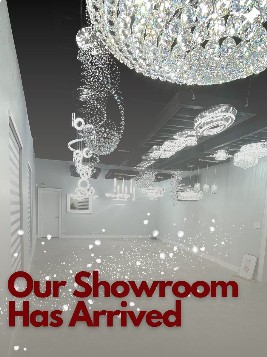
The right light tone can change how your home looks and feels. From warm and cozy to bright and focused, the right lighting makes all the difference. Visit the Siga Home Comfort showroom to explore lighting options in person and find the perfect fit for your space.